I'll be straight with you: no cruise is a zero-impact way to see Tahiti. What I can tell you, after many sailings, is that how you travel aboard the Paul Gauguin changes your footprint more than most people expect. The ship is small, about 330 guests, which already keeps crowds off fragile reefs and out of small island towns. The rest is up to the choices you make ashore and on the water. Here's how I think about traveling these islands with a lighter touch.
A smaller ship spreads people thinner
The single biggest factor is scale. With roughly 330 guests, the Paul Gauguin doesn't flood a village or a lagoon the way a megaship does. That matters in French Polynesia, where a single motu or a small harbor can be overwhelmed quickly. Fewer people ashore at once means less pressure on reefs, roads, and the people who live there.
It also changes your day. You can have a quiet morning on a reef instead of sharing it with a thousand others, which is better for you and for the place.
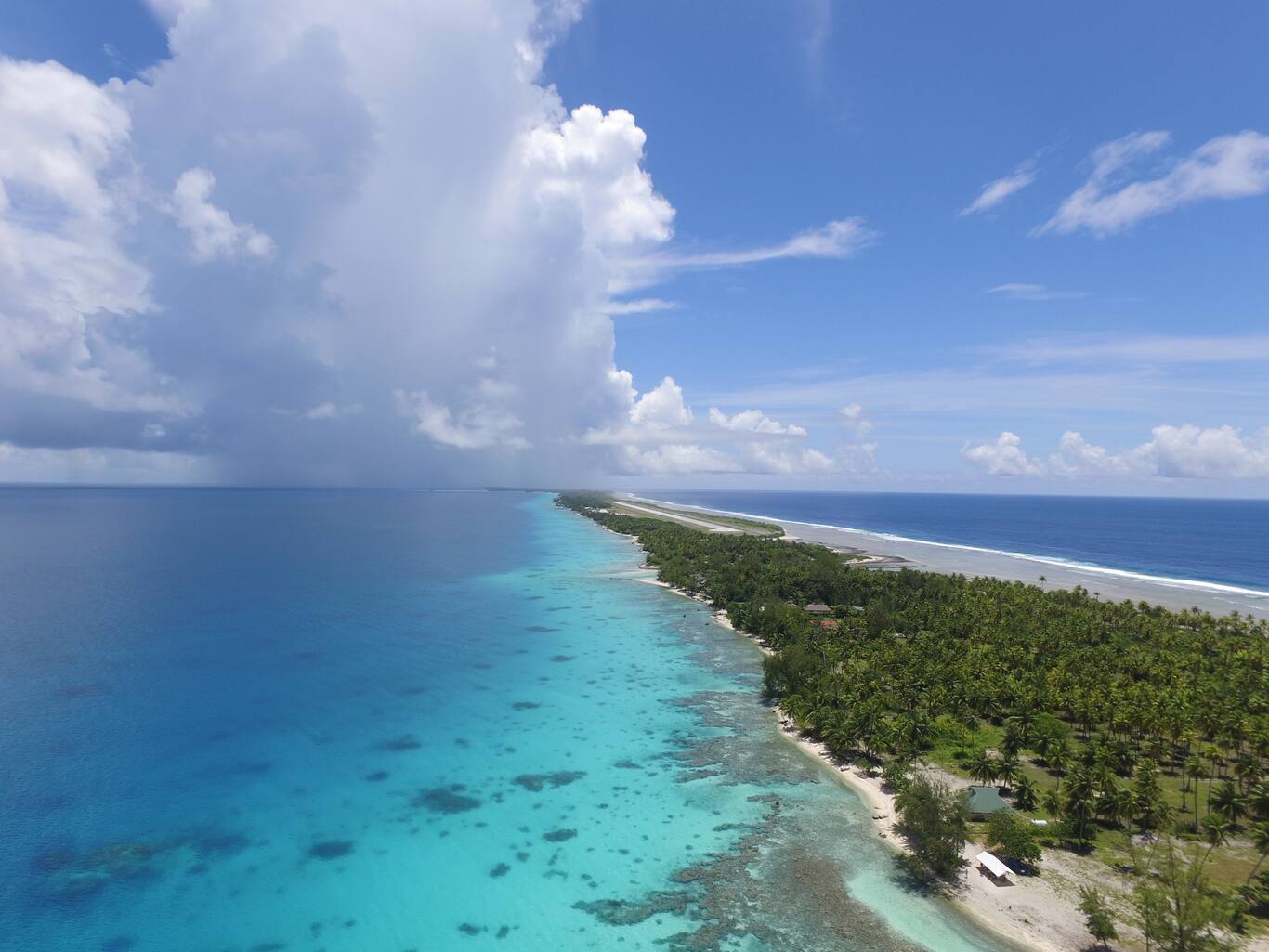
Protecting the marine life you came to see
Tahiti's draw is the water, so I treat the reef as the thing to protect first. That means reef-safe sunscreen, keeping hands and fins off coral, and never touching or feeding marine life on a snorkel or dive. The watersports marina off the stern makes it easy to get in the water responsibly with a guide who knows the site.
Small habits add up across a week: refill a water bottle rather than buying plastic, and follow the crew's guidance on where it's fine to swim and where it isn't.
Spending in a way that helps the islands
Sustainable travel isn't only environmental; it's economic. I steer guests toward local guides, island markets, and family-run vendors on shore days so more of the money stays in the community. Buying a pareo from the person who made it does more good than another duty-free purchase.
Onboard, the cultural programming led by local hosts is part of this too. Engaging with Polynesian people and their work, rather than treating the islands as scenery, is the quiet core of traveling well here.
Frequently asked questions
Is a cruise a sustainable way to see Tahiti?
No travel is impact-free, but a small ship of about 330 guests spreads visitors thinly and keeps pressure off fragile reefs and small towns. Your choices ashore and on the water make a real difference on top of that.
What can I personally do to reduce my impact?
Use reef-safe sunscreen, never touch or feed marine life, cut single-use plastic, and spend with local guides and markets ashore so the money stays in the community.
Why does ship size matter for the environment here?
French Polynesia's lagoons and villages are small and easily overwhelmed. A smaller ship means fewer people ashore at once, which reduces strain on reefs, infrastructure, and local communities.
Planning a Paul Gauguin voyage? Tell us your dates and what you're dreaming of and we'll map it out for you.