The first time I sailed into Rangiroa's lagoon, I remember thinking the water didn't look real. The Tuamotus are a string of low coral atolls, not high green islands like Tahiti, and that changes everything about how you visit them. There are no big piers here, so a small ship like the m/s Paul Gauguin, carrying around 330 guests, is one of the few comfortable ways to reach them. I've spent days snorkeling Fakarava's passes and watching the tide pour through the channels. Here's what I tell clients to expect.
Why a Small Ship Fits the Tuamotus
The Tuamotus are spread across a huge stretch of ocean, and the atolls themselves are barely above sea level. That makes them awkward to reach by land-based travel and easy to undersell from a brochure. Sailing in means you wake up already inside the lagoon, with the marina off the stern ready to put you in the water. Because the ship only carries about 330 guests, the snorkel sites never feel crowded, and the crew can anchor close to the passes where the marine life concentrates.
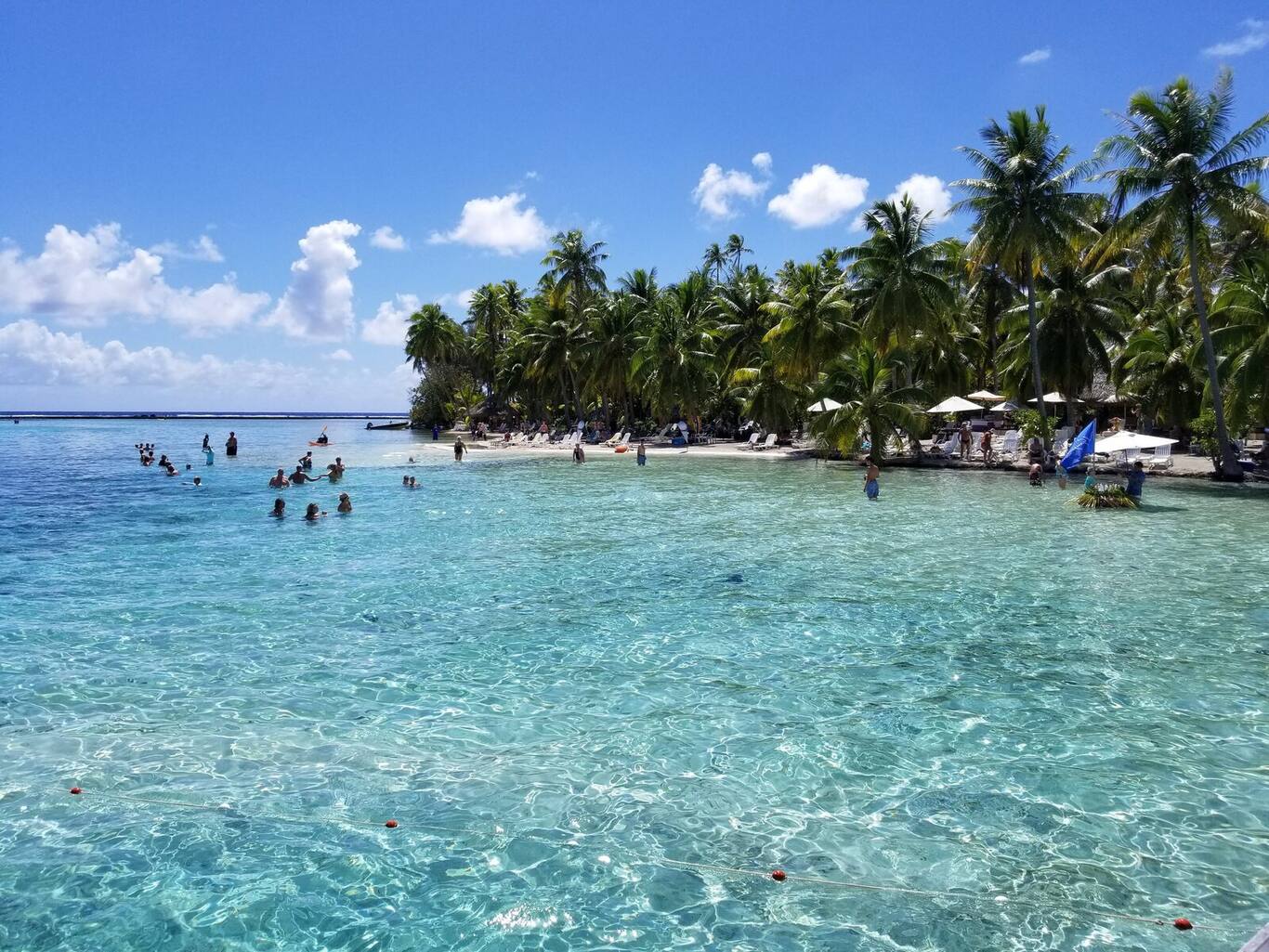
Rangiroa and Fakarava Up Close
Rangiroa is one of the largest atolls in the world, and its passes are known among divers for drift snorkeling and the chance of seeing reef sharks, eagle rays, and dense schools of fish. Fakarava, a UNESCO biosphere reserve, is quieter and, to my eye, even better for clear shallow reef. On a typical call you might tender ashore in the morning, then spend the afternoon off the marina. I always pack reef-safe sunscreen and my own mask, since a familiar fit makes a long snorkel far more relaxing.
Planning Your Days Ashore
Excursions in the Tuamotus tend toward the water: lagoon outings, pearl farm visits on Rangiroa, and time on the motu. Back aboard, dinner ranges from the French menu at L'Etoile to local fish at La Veranda or something casual at Le Grill. The drier, more settled window runs roughly May through October, though conditions vary year to year. My advice is to keep at least one day loosely planned so you can simply follow the weather and the tide.
Frequently asked questions
Do I need to be a strong swimmer to enjoy the Tuamotus?
No. Plenty of the snorkeling is in calm, shallow water near the motu, and flotation gear is available. The drift snorkeling in the passes is more advanced, so save that for when conditions and your comfort level line up, and always go with the guides.
What's the difference between the Tuamotus and the Society Islands?
The Society Islands, like Moorea and Bora Bora, are high volcanic islands with peaks. The Tuamotus are low coral atolls ringing turquoise lagoons. Many itineraries combine both so you get the contrast in a single sailing.
When is the best time to visit?
The drier season runs roughly May to October, with warmer, more humid weather from about November to April. Conditions vary year to year, so confirm the specifics for your sailing dates when you book.
Planning a Paul Gauguin voyage? Tell us your dates and what you're dreaming of and we'll map it out for you.