Clients ask me whether a cruise can really be a responsible way to see French Polynesia, and it's a fair question. On the Paul Gauguin the small scale of the ship is the honest answer — fewer guests, lighter footprint per port, and a real connection to the islands rather than a fleeting stop.
Why small scale matters
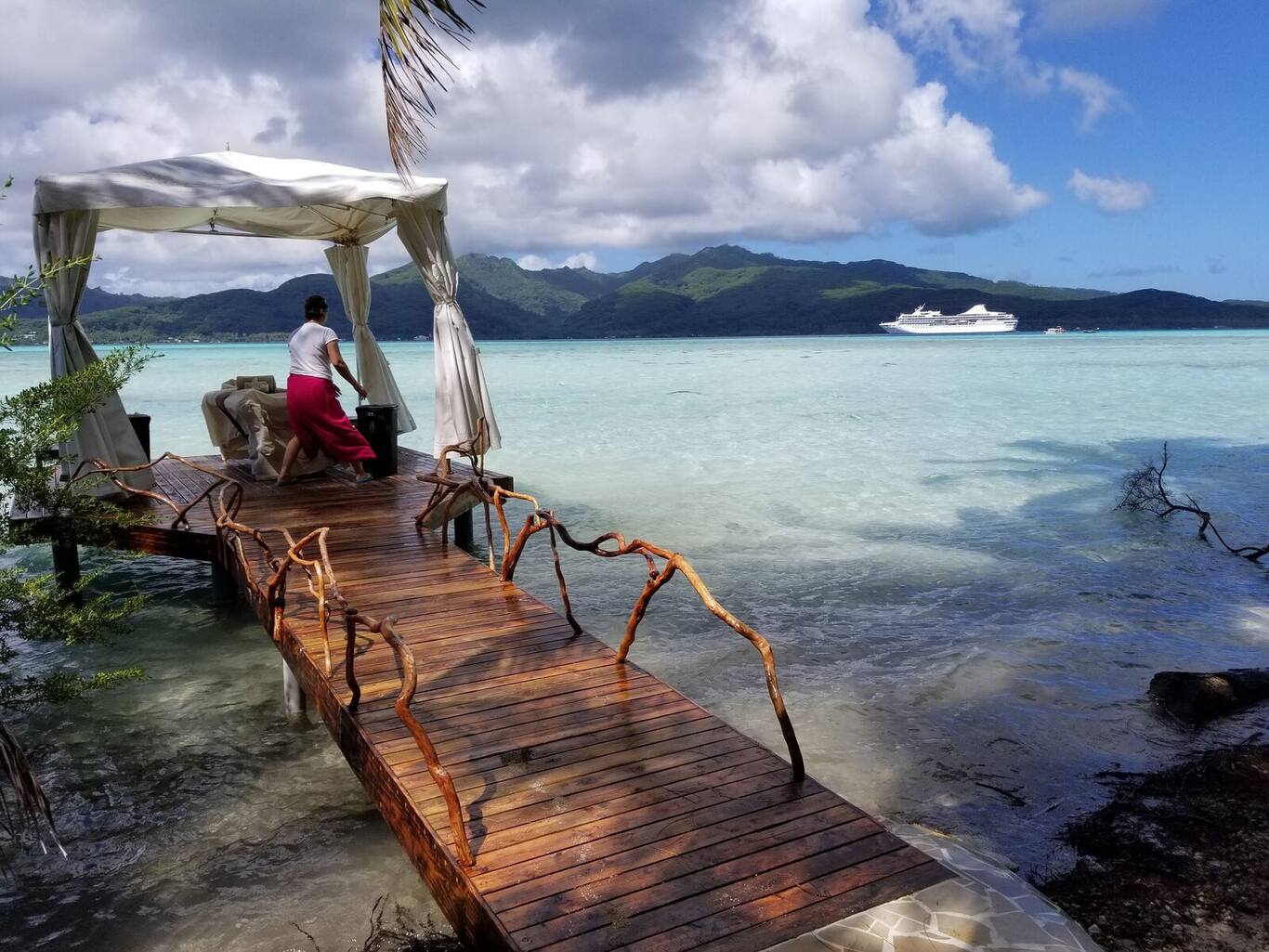
With about 330 guests, the ship doesn't overwhelm the small ports and lagoons it visits the way a mega-ship would. That means less crowding ashore, gentler pressure on reefs and villages, and a more genuine exchange with the communities you visit.
Practices aboard
The line has worked to reduce single-use plastics, manage waste responsibly at sea, and support local guides and artisans in the islands. Booking local excursions and buying from island makers keeps more of your spend in the communities you came to see.
What you can do as a guest
Use reef-safe sunscreen, keep your distance from marine life, and choose the locally run excursions. Small choices add up across a sailing, and they're the easiest way to travel here with a lighter touch.
Frequently asked questions
Is cruising French Polynesia environmentally responsible?
No travel is impact-free, but a small ship like the Paul Gauguin spreads fewer guests across each port and supports local guides, which lightens the per-visit footprint compared with large ships.
Does the ship use reef-safe practices?
Guests are encouraged to use reef-safe sunscreen and keep distance from marine life, and the line has reduced single-use plastics aboard. Confirm current specifics with us when planning.
How can I travel more responsibly on the cruise?
Choose locally run excursions, buy from island artisans, use reef-safe sunscreen, and respect wildlife and village customs.
Planning a Paul Gauguin voyage? Tell us your dates and what you're dreaming of and we'll map it out for you.